Landscape Maintenance Routines That Keep Lawns Looking Sharp

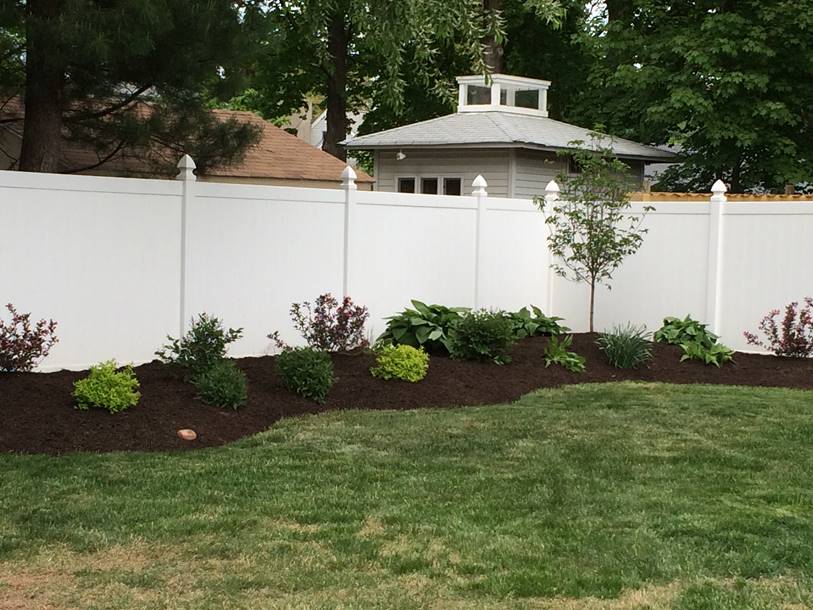
A sharp lawn rarely comes from one big weekend overhaul. It comes from repetition, timing, and a little restraint. The healthiest properties I have seen, whether they were compact suburban lots or broad commercial grounds, shared the same trait: somebody followed a routine and adjusted it before small problems became expensive ones. That is the real backbone of good Landscape Maintenance. It is less about dramatic transformations and more about doing ordinary things at the right moment, with enough consistency to let the turf and plantings respond.
People often focus on what they can see right away, which usually means mowing height, edging, and weed control. Those matter. But the lawns that keep their color through July, recover from foot traffic, and stay dense enough to crowd out trouble are supported by quieter habits. Soil moisture gets monitored. Fertilizer is timed to growth patterns instead of convenience. Sprinklers are checked before dry spots become bare patches. Beds are maintained so they do not shed weed seed into the turf. Even the way clippings are handled can tell you whether a property is being managed thoughtfully or simply being cut short every week.
The challenge is that lawns do not respond well to rigid, one-size-fits-all schedules. Cool-season turf in the Northeast behaves differently from Bermuda in the South. A front yard with full sun dries faster than a shaded side lawn tucked between houses. Clay soil holds water too long, sandy soil lets it slip away. Good maintenance routines recognize those differences and still keep the work simple enough to repeat.
The rhythm that matters more than any single treatment
When a lawn looks polished week after week, most of the credit goes to rhythm. A crew or homeowner knows what to inspect, what to leave alone, and what to correct before the issue spreads. That rhythm usually starts with mowing, because mowing is the task performed most often and the one that most visibly affects appearance.
A lawn cut on a sensible schedule almost always looks healthier than one that gets cut only when it starts to look shaggy. Grass blades are miniature solar panels. If you remove too much leaf tissue at once, the plant has to recover from stress rather than keep building roots and density. That is why the old rule about avoiding removal of more than a third of the blade in one mowing still holds up in practice. On active properties, especially in spring flushes, that can mean mowing every five to seven https://finngrxz595.capitaljays.com/posts/affordable-landscape-maintenance-ideas-for-every-budget days. In slower summer growth, intervals may stretch a bit, but the principle stays the same.
The pattern of mowing matters too. I have seen lawns develop a tired, striped, compacted look simply because the same heavy mower followed the same route every week. Changing direction reduces wheel rutting and helps grass stand upright rather than leaning permanently one way. It is a small adjustment, but on properties where appearance matters, those details separate average maintenance from professional work.
Blade sharpness is another quiet factor. Dull blades tear instead of cut, leaving frayed tips that turn tan and make the lawn look dry even when it is adequately watered. On high-visibility properties, I prefer sharpening more often than people think is necessary, especially during periods of rapid growth. You can usually spot a dull-blade lawn from the curb. It has that grayish cast a day or two after mowing, as though the color has been scrubbed off.
Watering for root depth, not for daily reassurance
Improper watering ruins more lawns than missed fertilizer treatments ever do. Many people water by habit or anxiety. They see a warm forecast, run the irrigation every morning, and believe they are being attentive. In reality, frequent shallow watering trains roots to stay near the surface, where heat stress hits first. The lawn becomes dependent, then fragile.
Deep, infrequent watering usually produces stronger turf. The exact amount depends on soil, sun exposure, slope, and species, so there is no honest universal number. Still, many established lawns perform better with enough water to moisten the root zone thoroughly, followed by enough time for the upper soil to dry a bit before the next cycle. In practical terms, that often means one or two substantial watering events per week rather than light daily sprinkles, though weather can change that quickly.
The best operators do not guess. They watch the lawn. Early drought stress shows up as a slight blue-gray cast, lingering footprints, or blades that fold inward during heat. Those signs matter more than blind loyalty to a timer. I have also found that irrigation systems are routinely trusted too much. Heads clog, arcs shift, and one minor leak can leave a whole section short on water. If a property has an automatic system, it still needs someone to walk it while it runs. Otherwise, the lawn ends up with soaked corners, dry centers, and a monthly water bill that makes nobody happy.
Morning remains the safest watering window on most sites. It reduces evaporation without leaving foliage wet all night. Watering in the evening can work when scheduling is tight, but disease pressure tends to rise if the surface stays damp for long stretches in warm weather. Midday watering is not useless, despite the myths, but it is inefficient in many climates because wind and evaporation take their share.
Feeding the lawn without pushing it too hard
Fertilizer can clean up a struggling lawn quickly, which is exactly why it gets overused. Growth surges look impressive for a week or two, but excess nitrogen can create tender top growth, increase mowing demand, and make turf more vulnerable to summer stress or disease. Strong Landscape Maintenance is not about forcing color at all costs. It is about supplying what the grass can use, when it can use it, with enough awareness of soil conditions to avoid creating new problems.
The timing of feeding should follow the grass type. Cool-season lawns usually benefit most from feeding in fall and, depending on condition, again in spring. Warm-season lawns prefer nutrition after they have fully greened up and entered active growth. Applying fertilizer when turf is dormant or heat-stressed often wastes money and can do harm.
Soil testing does not sound glamorous, but it removes a lot of guesswork. I have seen homeowners throw phosphorus at a lawn for years because they assumed it helped roots, only to learn their soil already had more than enough. What the lawn really needed was a pH adjustment and better watering habits. When budgets are limited, a soil test often prevents the wrong purchase.
Organic matter also deserves more attention than it gets. Lawns benefit when the soil profile supports microbial activity and stable structure. That can come from mulched clippings, sensible topdressing, and reduced compaction, not just from bagged products. A lawn fed only through synthetic quick-release fertilizer can still look fine for stretches, but it often becomes a little needy, a little brittle, and heavily dependent on perfect timing.
Edging, trimming, and the visual discipline of clean lines
If mowing creates the base appearance, edging and trimming provide the finish. Crisp boundaries along walks, driveways, and beds make a property look maintained even before anyone notices the turf quality itself. They create intention. Without them, even a healthy lawn can look fuzzy and unfinished.
The mistake I see most often is over-edging. People chase a deep trench look and gradually undermine the edge of the turf. It may appear dramatic for a few days, but it weakens the grass line, dries it out faster, and invites breakage. A clean vertical cut is usually enough. Consistency matters more than depth.
String trimming also requires judgment. A rushed operator can scalp around trees, shred fence lines, and ring the base of trunks. Those injuries add up. Young trees are especially vulnerable. Protective guards and deliberate technique save money in the long run because replacing a damaged tree costs far more than spending another few minutes trimming properly.
Beds should not be ignored when the goal is a sharp lawn. Weeds in mulched areas spill into the turf edge, irrigation overspray from bed zones can create fungal trouble in nearby grass, and unmanaged bed lines make the whole property read as neglected. Lawn care and bed care are not separate worlds. They are visually and biologically connected.
Weed control starts with density
People love a miracle weed product. Most of the time, the better answer is denser turf. A lawn with healthy root mass, proper mowing height, and balanced moisture naturally leaves less room for crabgrass, clover, spurge, and broadleaf weeds to establish. Chemicals have a place, but they work best when supporting a strong stand of grass, not compensating for chronic weakness.
Pre-emergent control can be useful where annual weeds are a yearly problem, but timing is everything. Apply too early or too late and performance drops. Post-emergent treatments require similar judgment. Spot treatment often makes more sense than blanket spraying, especially when the issue is localized. On well-maintained residential lawns, selective treatment paired with cultural corrections usually produces cleaner results than repeated full-coverage applications.
Some weeds also tell a story. Clover can indicate low nitrogen, though not always. Sedges often point to excess moisture or poor drainage. Plantain and knotweed thrive in compacted soils. When the same weeds keep returning in the same place, the lawn is telling you something about the site conditions. The best maintenance crews listen to that message instead of just spraying over it again.
Aeration, overseeding, and the repair work that prevents decline
Many lawns hold together for years on mowing and watering alone, then slowly thin out from compaction, traffic, and summer stress. By the time bare areas appear, people treat it like a sudden failure. Usually it is the result of deferred repair.
Core aeration remains one of the most practical interventions for compacted lawns, particularly on heavy soils or properties with pets, children, or regular entertaining. Pulling cores opens the surface, improves air exchange, and creates pathways for water and nutrients. It is not a magic cure, but when paired with overseeding in the proper season, it can reset a tired lawn surprisingly well.
Overseeding works best when the existing turf is healthy enough to support the new seedlings but thin enough to let seed contact the soil. Success depends on moisture control after application. Too little water and seed dries out. Too much and disease moves in or seed washes away. The window matters too. On cool-season lawns, early fall often gives the best combination of warm soil, milder air, and reduced weed pressure.
There is also a judgment call here. Not every thin patch should be reseeded immediately. If the area is failing because of shade, drainage, or chronic traffic, fresh seed may simply fail again. Sometimes the smarter move is to redirect foot traffic, prune for light, amend drainage, or accept that turf is the wrong plant for that exact spot.
Seasonal adjustments separate routine care from real management
One of the easiest ways to spot mediocre maintenance is to see the same program run unchanged from April through October. Lawns do not want the same thing all season.
In spring, growth tends to surge. Mowing frequency rises, but fertilizer should be measured carefully to avoid pushing too much top growth. This is also the period when many irrigation systems are activated, which makes inspection especially important. One broken head can drench a walk, starve a corner, and start an avoidable problem before summer arrives.
Summer calls for restraint. Raising mowing height slightly can help shade the soil and conserve moisture. Heavy feeding during extreme heat is risky on many lawns, and aggressive mechanical work can add stress when the grass is already defending itself. Summer is when sharp observation pays off most. Heat stress, insect pressure, and localized dry spots can move fast.
Fall is repair season on many cool-season properties. Growth becomes more balanced, roots respond well, and the lawn has a chance to recover before winter. If a property owner only wants to invest heavily once a year, fall is often the most rewarding window. The difference the following spring can be dramatic.
Winter, even in milder climates, is not irrelevant. This is the time to service equipment, evaluate problem zones, and check for drainage patterns that were hidden by summer growth. I have solved more lawn issues in January planning meetings than during emergency calls in July.
A practical weekly routine that catches problems early
For most residential properties, the best routine is not complicated. It is disciplined. A weekly walk-through, even a short one, does more for lawn quality than occasional heroic effort.
- Mow at the correct height for the turf type, and adjust if growth has accelerated or slowed.
- Check irrigation coverage by eye, especially around edges, slopes, and sunny exposures.
- Scan for weed outbreaks, insect activity, or fungal discoloration before they spread.
- Clean edges and trim carefully around hardscapes, trees, and bed lines.
- Note thin or stressed areas for seasonal repair rather than waiting until they become bare.
That five-part rhythm covers most preventable problems. It also keeps the lawn from surprising you. Good maintenance should reduce surprises.
Equipment choices quietly shape lawn quality
The condition of the equipment matters almost as much as the schedule. Commercial crews know this, though not all act on it consistently. A mower with poor suction or uneven deck setup can leave an irregular cut that no amount of extra trimming can hide. Underinflated tires create subtle scalping patterns. A spreader calibrated badly can stripe fertilizer applications for weeks. A trimmer line that is too heavy or used too aggressively can scar anything it touches.
Smaller lawns often benefit from lighter equipment than homeowners realize. Heavy machines are efficient, but they can compress wet soil and mark up turning areas, particularly in spring. On properties with delicate turf or narrow side yards, maneuverability and low ground pressure matter more than raw speed. The fastest route to a sharp-looking lawn is not always the biggest mower.
Clipping management is part of this discussion too. Mulching clippings back into the lawn usually returns nutrients and saves hauling time, provided the grass is not excessively long or wet. Bagging has its place when growth gets ahead of schedule or when leaves and debris contaminate the turf surface, but routine bagging is often done for appearance rather than agronomic need. In many cases, proper mowing frequency makes mulching the cleaner and healthier option.
The trouble spots that deserve special treatment
Every property has a few areas that refuse to behave like the rest. The strip near the curb bakes from reflected heat. The section under the maple gets thin by midsummer. The gate opening wears down because everyone uses the same path. Those zones should be maintained deliberately, not treated as failures.
High-traffic wear zones often respond well to simple behavioral changes. A stepping-stone path, a widened gate opening, or a modest hardscape transition can save a lawn from repeated injury. Shade problems sometimes improve with selective pruning, though not always enough to sustain dense turf. In those cases, a shade-tolerant grass mix may help, or the area may need to become a bed rather than remain a constant repair project.
Drainage issues deserve blunt honesty. If water stands after every storm, no seed blend or fertilizer program will fix the root problem. Regrading, drainage installation, or soil reconstruction may be the only real answer. Strong Landscape Maintenance includes knowing when routine care has reached its limits.
When clients or homeowners ask for perfection
The sharpest lawns often belong to people with high expectations, but expectations need calibration. A lawn can be healthy, dense, and attractive without looking like a tournament fairway. Children playing on it, dogs using it, and summer heat all leave their mark. Maintenance routines should fit how the space is actually used.
I usually advise property owners to decide what matters most: consistent curb appeal, durability under use, low chemical input, water efficiency, or elite visual finish. You can chase all five, but there are trade-offs. A very dark, heavily fed lawn may look rich in spring and require far more mowing. A low-water approach may sacrifice some peak summer color. A high-use yard may need periodic renovation no matter how competent the care is.
That is not a weakness in the plan. It is good management. The most successful lawn programs are honest about the site, the climate, and the budget. They build routines around those realities and execute them cleanly.
The look people notice is built below the surface
When a lawn holds crisp edges, even color, and steady density from one month to the next, the visible finish is only part of the story. The real work has happened in timing, observation, and restraint. Mowing was done before the grass got away from the schedule. Water reached the roots instead of just dampening the surface. Fertility supported growth without overstimulating it. Weeds were addressed as symptoms and not just nuisances. Trouble spots were treated according to their cause.
That is why effective Landscape Maintenance feels less dramatic than people expect. There is no single trick that keeps lawns looking sharp. There is a pattern of smart routines, repeated often enough to let the turf stay ahead of stress. When those routines are tailored to the site and carried out with care, the result is the kind of lawn that always seems tidy, healthy, and ready for company, even on an ordinary Tuesday afternoon.
Majestic Mowing & Landscaping LLC
Phone number: +19733975532
FAQ About Landscape Maintenance
What is landscape maintenance?
Landscape maintenance is the ongoing care, cleaning, and upkeep of outdoor green spaces to keep them healthy, safe, and attractive.
Is $100 an hour too much for landscape work?
An hourly rate of $100 is not too much for specialized or professional landscape work, though it sits at the higher end of the standard pricing spectrum.
How much do landscapers charge for maintenance?
For professional landscaping maintenance, homeowners typically pay $100 to $410 per month for recurring services, or an hourly labor rate of $50 to $100 per hour per crew member.