Landscape Maintenance Guide to Trimming, Feeding, and Watering
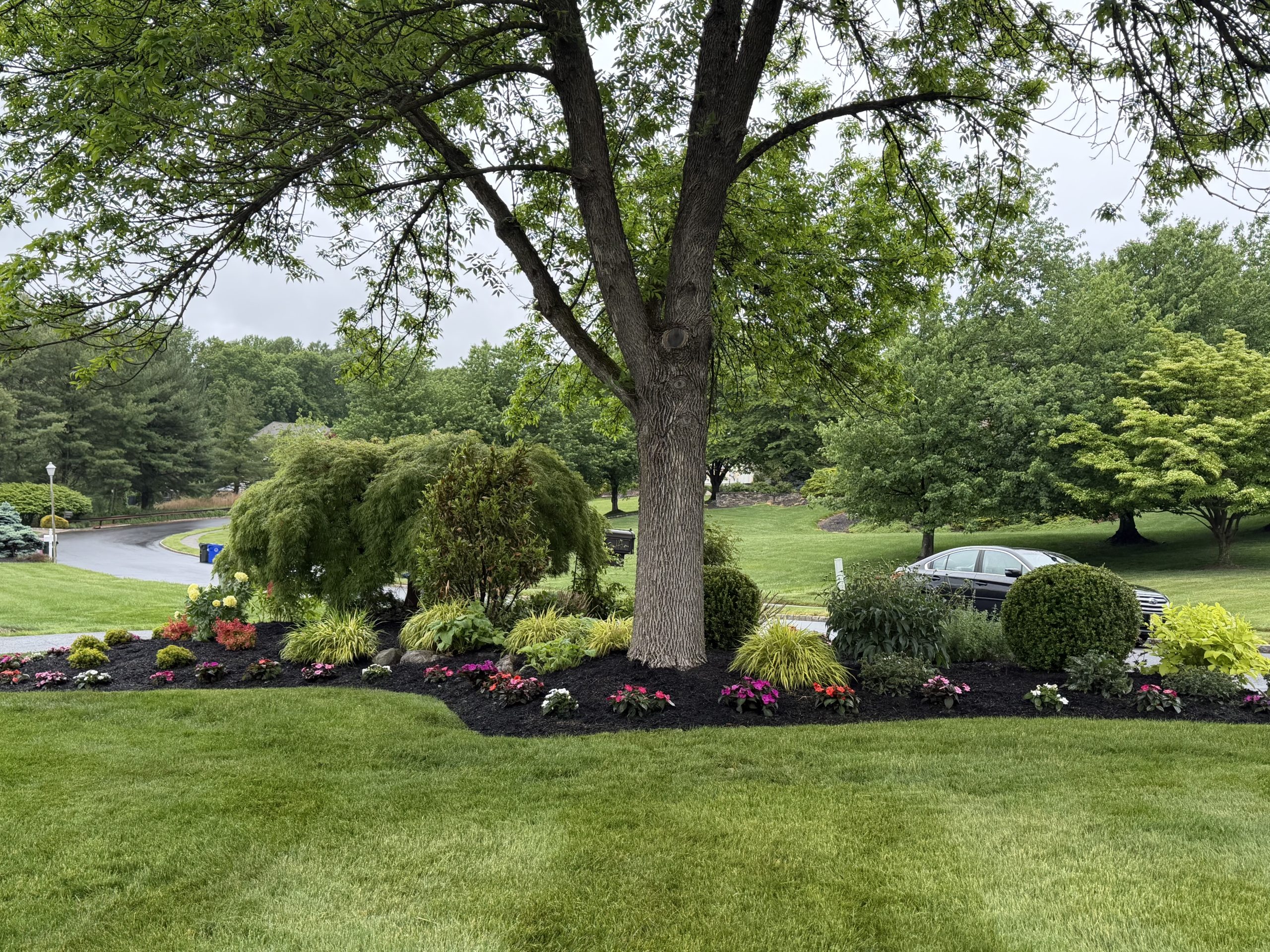


A healthy landscape rarely happens by accident. It is shaped by timing, restraint, and a clear understanding of how plants actually grow. Most problems I see in residential and light commercial properties do not come from neglect alone. They come from good intentions applied at the wrong moment. Shrubs are sheared too hard in midsummer, lawns are fertilized ahead of a heat wave, and irrigation runs on a timer that ignores rainfall, shade, soil, and root depth.
Good landscape maintenance is less about doing more and more about doing the right work at the right pace. Trimming, feeding, and watering sound simple, but each one can either strengthen the planting or quietly undermine it. Once roots are stressed, once flowering wood is cut off, or once turf is pushed with nitrogen during harsh weather, the correction often takes a full season or more.
The practical goal is straightforward. You want plants that grow with balance, lawns that stay dense without becoming dependent on constant inputs, and beds that can handle weather swings without looking ragged every few weeks. That takes observation as much as labor. A skilled maintenance routine notices what the site is already saying.
Start with the site, not the tool
Before anyone picks up pruners or opens a fertilizer bag, it helps to read the landscape as a living system. A front foundation bed under reflected heat from brick is not going to behave like a shaded side yard with heavier soil. A newly planted maple has different water needs than an established boxwood hedge. A patch of lawn over compacted fill will drain and root differently than turf in richer native soil.
This is where many maintenance plans go sideways. They treat all plantings as if they need the same cut, the same feed, and the same irrigation schedule. They do not. Even on a modest property, there are usually several microclimates. South-facing beds dry faster. Corners near pavement run hotter. Narrow strips between driveway and walkway often suffer both drought and winter salt. If you work from a generic schedule, those problem spots keep recurring.
In practical terms, the first pass through a landscape should answer a few simple questions. Is the plant in the right place for its mature size and light needs? Is the soil draining too fast or holding water too long? Is the growth you see dense and sturdy, or soft and stretched? Are leaves telling you about overwatering, nutrient issues, or root stress? This kind of assessment saves money because it keeps you from treating symptoms over and over.
Trimming is plant guidance, not punishment
There is a difference between pruning and haircutting, and landscapes suffer when that difference is ignored. Proper trimming shapes plant growth, removes weak or conflicting wood, improves air movement, and keeps scale appropriate to the site. Indiscriminate shearing, especially repeated shearing, often produces a dense outer shell and a thin, shaded interior. The shrub looks full from ten feet away and hollow when you look closer.
One of the most common mistakes in landscape maintenance is pruning by calendar alone. Timing should be tied to plant habit. Spring-flowering shrubs such as azalea, lilac, and some hydrangeas set buds on older wood. If you cut them hard before bloom, you remove the show you were trying to preserve. Summer-flowering shrubs that bloom on new growth offer more flexibility, but even then, heavy pruning too late in the season can push tender new growth that struggles when temperatures turn.
I learned this years ago on a property with a long row of overgrown spirea, yews, and old bigleaf hydrangeas. The previous routine was simple, fast, and damaging. Everything got clipped into rounded forms every few weeks from late spring through early fall. The yews became woody on the inside, the spirea flowered weakly, and the hydrangeas gave almost nothing. We changed the approach over two seasons. The yews were selectively thinned and reduced, the spirea was renewed after bloom, and the hydrangeas were cut according to their bud set. The landscape looked worse for a short period because real correction usually does, then it settled into a stronger form with less repetitive labor.
Selective pruning almost always beats constant shearing for shrubs with a natural habit worth preserving. It means removing some stems back to a branch junction or to the base, opening the structure, and controlling size without turning every plant into a green dome. There are exceptions. Formal hedges need regular clipping to hold line and density. Even then, the profile matters. A hedge should usually be slightly wider at the base than at the top so lower growth receives light. Straight vertical sides may look crisp at first and thin out below over time.
Trees require even more restraint. Overlifting the canopy for an instant clean look often creates long-term structural problems and sunscald on previously shaded limbs. Topping is worse. It is one of the fastest ways to create weak, poorly attached regrowth and shorten a tree’s useful life. Young trees benefit most from thoughtful structural pruning, done lightly and early, so future branch spacing and central leader issues are corrected before they become expensive.
Perennials call for a different mindset. Many benefit from deadheading, some from a midseason cutback, and others from being left alone until late winter for seedheads and habitat value. Ornamental grasses, for example, often look best cut back before spring flush, not hacked down randomly in fall. Roses need pruning based on type, vigor, and local climate. There is no single rose rule that works everywhere.
How to know when trimming is actually needed
A plant does not need cutting just because it grew. Growth is the point. The question is whether the growth is healthy, useful, and proportionate to the space. Trimming is justified when form is breaking down, circulation is poor, sight lines matter, pedestrian clearance is affected, or dead and damaged wood is accumulating.
Use this field check before you cut:
- Remove dead, broken, diseased, or rubbing branches first.
- Step back and look for the plant’s natural shape before deciding how much to reduce.
- Cut to a branch union, bud, or base whenever possible, not to random points in space.
- Keep the base of hedges a bit wider than the top to preserve lower foliage.
- Never remove more live growth than the plant can reasonably recover from in one round.
That last point matters more than people expect. A shrub can survive a severe cut and still lose a year or more of good appearance. Recovery cost is not just biological, it is aesthetic.
Feeding should support growth, not force it
Fertilizer gets treated like a cure-all, but poor color or weak growth does not always point to hunger. Sometimes the issue is compacted soil, wrong pH, limited root space, overwatering, or root damage from construction. Feeding a stressed plant without addressing the cause can produce a brief green-up followed by decline.
A useful rule is to fertilize according to need, not optimism. Lawns are the biggest consumers in most landscapes because dense turf is expected to perform like carpet across changing weather. Trees and shrubs, particularly established ones growing in decent soil with mulch and reasonable irrigation, often need far less feeding than owners assume.
Nitrogen is the nutrient people notice most quickly because it drives green growth. Too much of it can be a problem. Turf becomes lush, succulent, and more dependent on mowing and water. Shrubs may push soft growth that is more vulnerable to insects, disease, or cold damage. Balanced feeding should match growth goals. A lawn in active use may justify a planned feeding program. A mature mixed border often benefits more from soil improvement, mulch, and moisture consistency than from repeated synthetic fertilizer applications.
Soil testing is still one of the most underused tools in landscape maintenance. It does not need to be done every month, but periodic testing gives you a baseline. It can tell you whether phosphorus is already sufficient, whether potassium is lacking, and whether pH is limiting nutrient uptake. Without that information, feeding becomes guesswork dressed up as routine care.
Organic matter deserves more credit here. Compost incorporated where appropriate, leaf mold, and well-managed mulch layers can do a great deal for soil structure, moisture regulation, and microbial activity. They do not replace every fertilizer need, especially in high-demand turf, but they improve the conditions that let roots access what is already present.
Lawns have a narrower margin for error because expectations are high and visible. Timing is critical. Cool-season lawns generally respond best when fed during their natural periods of active growth, often spring and especially fall depending on region. Heavy summer feeding during heat can create stress and disease pressure. Warm-season lawns have their own rhythm and should be fed when they are actively growing, not before full green-up or as they head toward dormancy.
Newly planted material is another area where people overdo it. At planting time, root establishment matters more than pushing top growth. In many cases, a modest approach is best. Good soil preparation, proper planting depth, mulch kept away from the trunk or https://devinifaj639.theburnward.com/landscape-maintenance-tasks-that-improve-lawn-resilience crown, and consistent water do more than aggressive fertilizer does in the first year.
Watering is about depth, frequency, and root behavior
Most landscapes are not killed by too little water all at once. They are weakened by inconsistent watering patterns that never encourage a strong root system. Shallow daily irrigation can keep the surface damp while roots stay near the top few inches, where heat and dryness hit first. Deep, less frequent watering, adjusted for soil and season, promotes better rooting and greater resilience.
The phrase “one inch a week” is useful as a rough benchmark for lawns in some climates, but it is not a law. Sandy soils may need more frequent application because they drain quickly. Clay soils hold moisture longer but can become waterlogged if irrigation is excessive. Shade reduces demand. Wind increases it. Newly planted trees and shrubs need more attention than established ones, but even then, the goal is to moisten the root zone thoroughly and then allow some natural drawdown so roots search outward.
A simple screwdriver test still works in the field. If the soil is easy to penetrate several inches down, there is usually still moisture present. If it is hard and dry near the expected root zone, watering is due. Moisture meters can help, but hands-on checking catches a lot.
Symptoms of water stress are not always intuitive. Wilt can mean drought, but it can also mean roots are suffocating in overly wet soil. Yellowing leaves can signal too much water just as easily as too little. Brown leaf edges may point to drought, salt, fertilizer burn, or root restriction. That is why watering by symptom alone often fails. You need to look at soil conditions and drainage patterns, not just leaf appearance.
Irrigation systems are useful but easily trusted too much. Sprinkler heads drift out of alignment. Rotor overlap becomes uneven after plant growth changes. Drip zones clog or break. Controllers keep running after a rainy week because no one adjusted them. Every irrigation system should be audited periodically by actually watching it run. You would be surprised how many dry spots and puddled corners appear on systems that are technically “working.”
Mulch can improve watering efficiency substantially when used correctly. A two- to three-inch layer over root zones, with space around trunks and stems, helps moderate temperature swings and slows evaporation. Piling mulch high against stems, the old mulch volcano problem, invites rot and pest issues while doing little good for roots.
Seasonal judgment matters more than rigid routines
Properties often do best when maintenance follows the season rather than the date printed on a reminder card. Spring invites action, but it also tempts overreaction. People see winter damage and start cutting too quickly. Sometimes waiting a couple of weeks reveals what is truly dead and what is simply late to break dormancy. Early feeding can be helpful in some cases, but if soils are still cold and wet, patience is wiser.
Summer is where discipline pays off. Heavy pruning during high heat can expose bark and foliage to stress. Fertilizer can push growth that needs more water than the site can support. Irrigation should be checked often, but not automatically increased everywhere. Some zones may need adjustment while shaded areas remain fine. Mowing height on lawns should generally stay a bit higher during heat to protect crowns and conserve moisture.
Autumn is one of the most productive windows for many landscapes. Root growth often continues while top growth slows. This can make fall an excellent time for certain planting, lawn repair, and in some regions, key fertilization work. Pruning needs caution, though. Not every shrub benefits from a late-season cut, especially if it encourages tender growth before cold weather.
Winter reveals structure. It is easier to see crossing branches, poor form, and spacing problems when leaves are gone. In milder weather, dormant pruning of appropriate species can be efficient and precise. Winter also shows where water drains, where snow piles damage plants, and where deicing salt creates recurring burn along edges.
Here is a practical seasonal lens that holds up in the field:
- Spring is best for cleanup, observation, selective correction, and avoiding rushed cuts on uncertain wood.
- Summer is for irrigation management, restrained pruning, and stress reduction rather than aggressive growth pushing.
- Fall favors root-focused work, lawn recovery in many regions, and preparation for weather shifts.
- Winter exposes structure, drainage patterns, and long-term design issues that foliage hides.
- Every season should include walking the property before acting, because weather can rewrite the usual schedule.
The difference between maintenance and chronic repair
A well-maintained landscape should slowly become easier to manage. If it becomes harder every year, something upstream is wrong. Often that upstream issue is plant selection or placement. Fast-growing shrubs installed too close to walks will need repeated reduction. Trees jammed under eaves will require constant corrective pruning. High-water annual color in a hot reflected bed will always demand more attention than the site naturally supports.
This is where professional judgment matters. Sometimes the best maintenance recommendation is not another service visit. It is replacing a poorly sited plant with one that fits. A compact cultivar in the right exposure can save years of labor and frustration. A turf strip too narrow for healthy grass may be better converted to planting bed or groundcover. A bed that never holds moisture may need soil improvement and a revised plant palette rather than more irrigation.
The same principle applies to feeding. If a lawn only looks good for two weeks after fertilizer and then declines, the issue may be compaction, thatch, shade, drainage, or root competition from trees. If a shrub remains pale despite feeding, root damage or unsuitable pH may be the real problem. Repeating the same input rarely solves the wrong diagnosis.
What careful landscape maintenance looks like over time
After a few seasons of disciplined care, the signs are obvious. Shrubs hold a natural shape without weekly shearing. Tree canopies have clearance and structure without looking stripped. Lawns feel denser underfoot and recover faster after dry spells. Irrigation run times drop because roots are deeper and mulch is doing its share. Feedings become more targeted because the soil and plants are not being treated like blank slates.
There is also a visual difference that is hard to fake. Landscapes maintained with restraint look settled. They do not have the tense, overclipped look that comes from constant correction. They read as healthy rather than controlled.
For property managers and homeowners alike, this approach also makes budgeting more rational. Money goes toward measured improvement instead of emergency fixes and repetitive cosmetic work. It is better to prune a shrub properly once than shear it six times to hold an unnatural size. It is better to water deeply and inspect coverage than to run irrigation daily and still lose material. It is better to feed according to tested need than to spend season after season chasing color with extra product.
Landscape maintenance, at its best, is not a series of chores. It is ongoing plant stewardship. Trimming guides structure and scale. Feeding supports growth where the soil or use demands it. Watering trains roots and buffers stress. Done together, with judgment and timing, these basics produce the kind of landscape that holds up through heat, rain, foot traffic, and time. That is the standard worth aiming for, not a burst of perfection after each visit, but durable health that remains visible between them.
Majestic Mowing & Landscaping LLC
Phone number: +19733975532
FAQ About Landscape Maintenance
What is landscape maintenance?
Landscape maintenance is the ongoing care, cleaning, and upkeep of outdoor green spaces to keep them healthy, safe, and attractive.
Is $100 an hour too much for landscape work?
An hourly rate of $100 is not too much for specialized or professional landscape work, though it sits at the higher end of the standard pricing spectrum.
How much do landscapers charge for maintenance?
For professional landscaping maintenance, homeowners typically pay $100 to $410 per month for recurring services, or an hourly labor rate of $50 to $100 per hour per crew member.